Vulcan Projects
Vulcan Energy is building the world’s first integrated carbon neutral lithium and renewable energy business to decarbonise battery production. The foundation project, Lionheart, represents the first of many.
Lionheart
Vulcan’s foundation project is its integrated geothermal lithium and renewable energy project in Germany’s Upper Rhine Valley, Lionheart. Lionheart adapts existing, commercially proven technology to produce battery-quality lithium from naturally heated subsurface brine in the Upper Rhine Valley, to deliver a local source of sustainable lithium for the European battery industry, with a co-product of renewable energy for local heating needs. Our production and processing operations are carbon neutral and use zero fossil fuels in the production process.
Lionheart includes the construction of an integrated lithium and renewable energy project targeting production capacity of 24,000 tonnes of LHM,5 enough for around 500,000 electric vehicle batteries per annum, with a co-product of 275 GWh of renewable power and 560 GWh of heat per annum, over an estimated 30-year project life.


Located in Europe’s industrial heartland
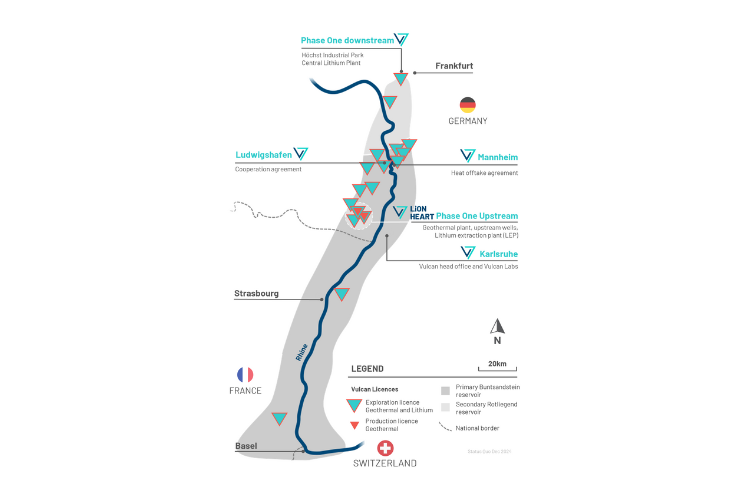
Vulcan holds a large license portfolio covering >2000km² of area.
A phased approach
After Lionheart, further phases are planned in step out areas. Lionheart targets one upstream surface facility for geothermal and lithium extraction operations to be fed from multi-well pads. It focuses on the core of the field including existing production wells.
Subsequent phases are planned to fully leverage the large licence area that Vulcan has secured.
Integrated Lionheart plants
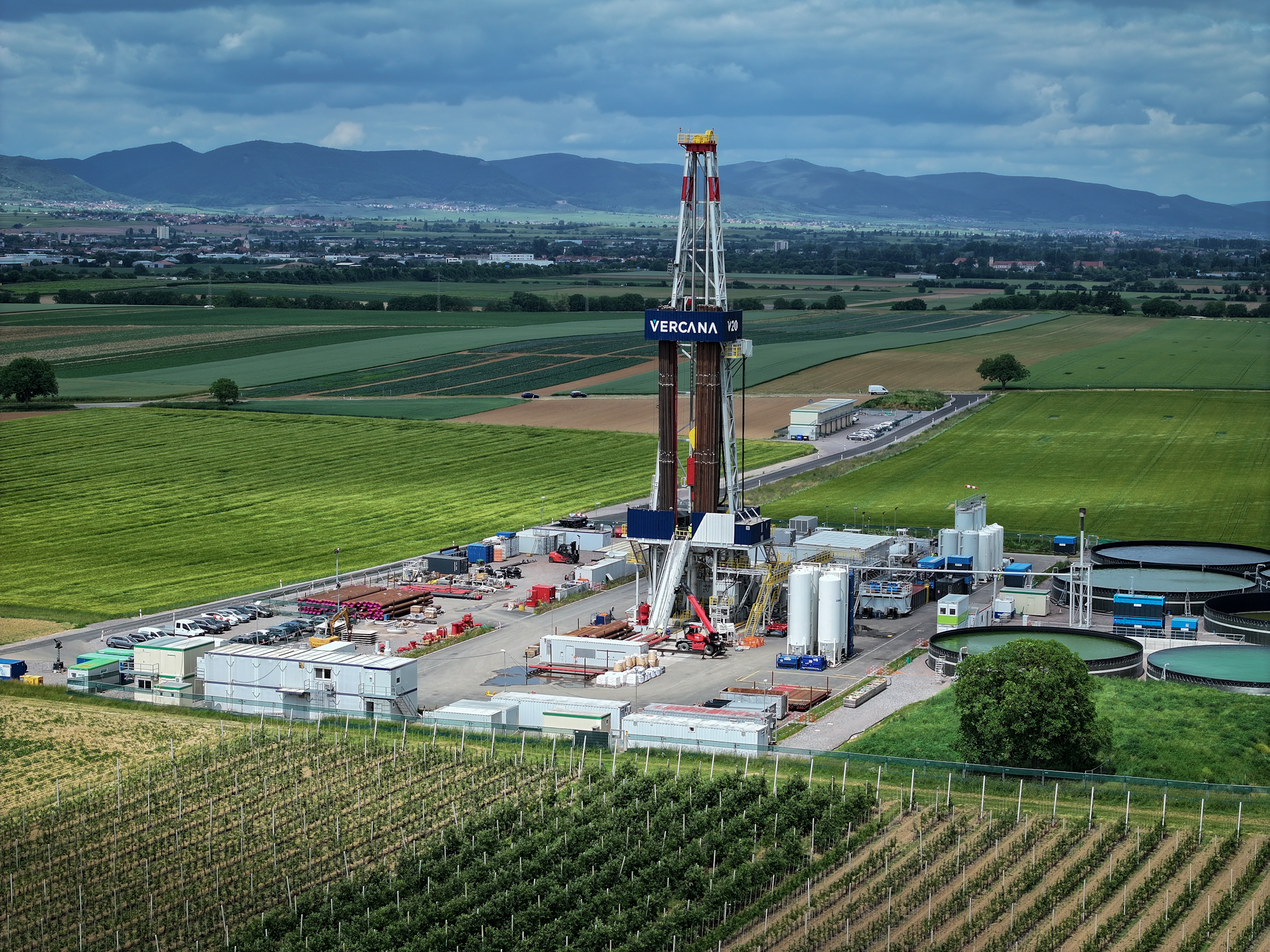
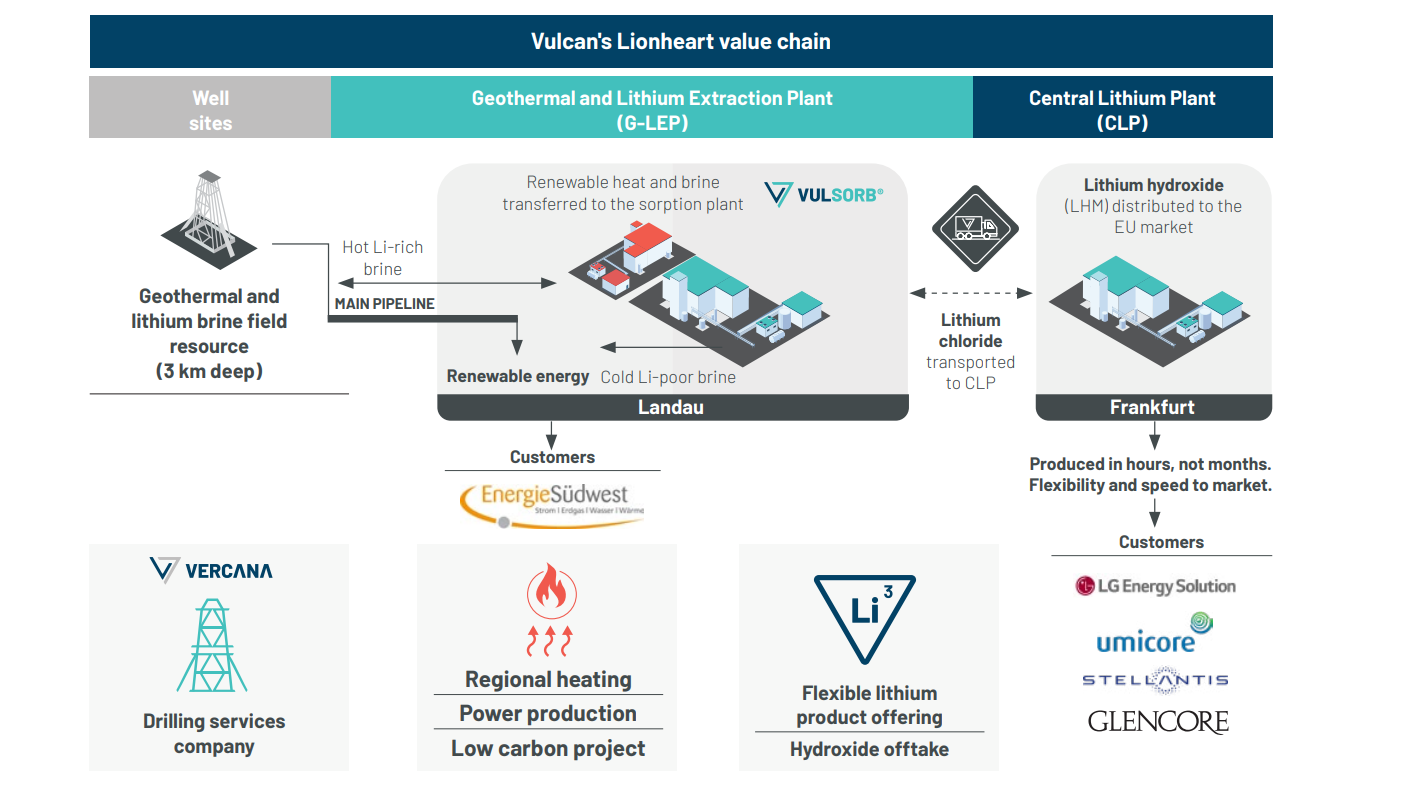
Lionheart will convert lithium rich brine into battery-quality lithium through a two-step process at its geothermal and lithium extraction plants, collectively referred to as G-LEP.
First, naturally heated brine is brought to the surface, generating renewable heat and power. The lithium is then extracted from the brine using Vulcan’s proprietary VULSORB® adsorbent in an adsorption-type direct lithium extraction (A-DLE) process, producing a lithium chloride (LiCl) intermediate solution. The brine is subsequently returned to the underground reservoir in a closed-loop system, completing the cycle.
In the second stage, the LiCl solution undergoes electrolysis at the central lithium processing facility, known as the CLP, to produce lithium hydroxide monohydrate (LHM), ready for commercial use.
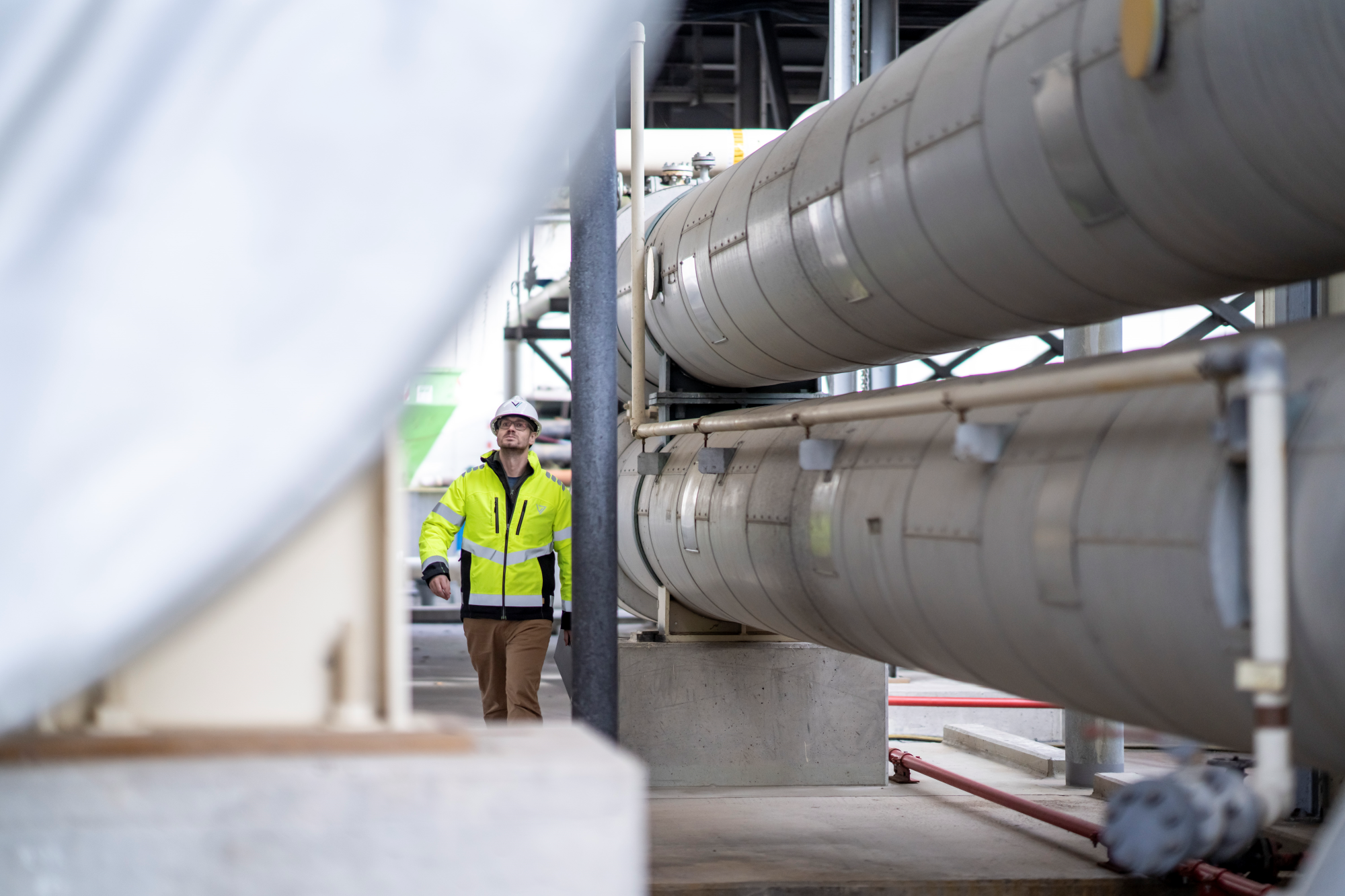
The key facilities
- Use of intermediate heat exchangers at each well site to transfer heat from geothermal brine into a closed‑loop industrial water cycle.
- Hot water is circulated via pipelines to district heating facilities and Organic Rankine Cycle (ORC) plants.
- After heat is used, cooled water is returned to the heat exchanger for reheating, maintaining system efficiency.
- Cooled lithium‑rich brine is sent from the heat exchanger to the Lithium Extraction Plant (LEP) for lithium extraction.
- Lithium‑depleted brine is reinjected into the geothermal reservoir, completing the sustainable closed loop.
- Clean industrial water in district heating and ORC systems eliminates scaling risk.
- Cooling the brine before it enters pipelines and the LEP significantly reduces scaling potential, improving overall reliability and performance.
- Intermediate heat exchangers installed at each well site to ensure efficient thermal transfer from geothermal brine to a closed‑loop industrial water system.
- Hot water transported through pipelines to district heating networks and ORC power generation facilities.
- Cooled water is continuously recirculated back to the heat exchanger for reheating.
- Cooled lithium‑rich brine is routed to the Lithium Extraction Plant (LEP) for processing.
- Lithium‑depleted brine is reinjected underground to maintain reservoir sustainability.
- Using clean industrial water for heating and power cycles eliminates scaling across the system.
- Pre‑cooling of brine greatly reduces scaling risks in pipelines and at the LEP, enhancing system durability and operational efficiency.
Geothermal and Lithium Extraction Plant (G-LEP)
- Positive support from local municipalities (November 2024): Vulcan and the City of Landau have signed an option agreement to secure the property in the D12 development plan in the City of Landau. The reservation of the area in the “Am Messegelände Südost Industrial Park” represents a step towards the implementation of the planned integrated Geothermal and Lithium Extraction Plant.
- Fully integrated: The LEP will be constructed next to new Lionheart Geothermal Plant in Landau.
- Total targeted capacity to be 24,000tpa LHM equivalent in LiCl form.
- From the LEP, LiCl solution will be transported to the CLP at the Industrial Park Höchst (Frankfurt).
- Modular build allows for further phased development across other phases in Upper Rhine Valley Brine Field (URVBF).
- CLP planned to be located in Frankfurt at the Höchst Industrial Park
- Permit to build and operate CLP secured in September 2025
- Targeted 24,000tpa LHM capacity with space for further modular expansion
- Conversion of LiCl to battery grade LHM using electrolysis. Only by-product (saleable) is HCl. Significant synergies with existing chlor-alkali producers in the same chemical park, e. g. Nobian
- Recycle of purge streams back to LEP – low waste
- Höchst is one of Europe’s largest industrial estates and is home to around 90 chemical and pharmaceutical companies
- Infraserv (industrial park operator) contracted to supply power, utilities and services.
Project Development Areas
Current phases and future phases
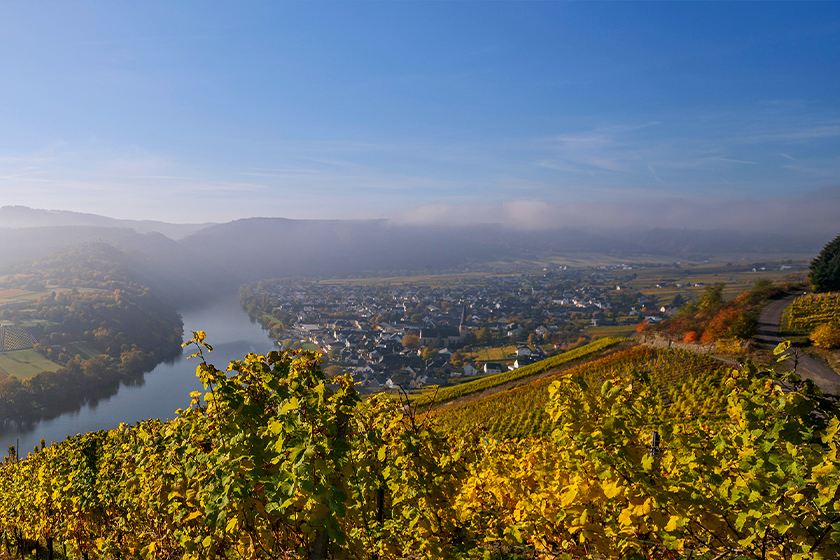
Lionheart Project Natürlich Pfalz
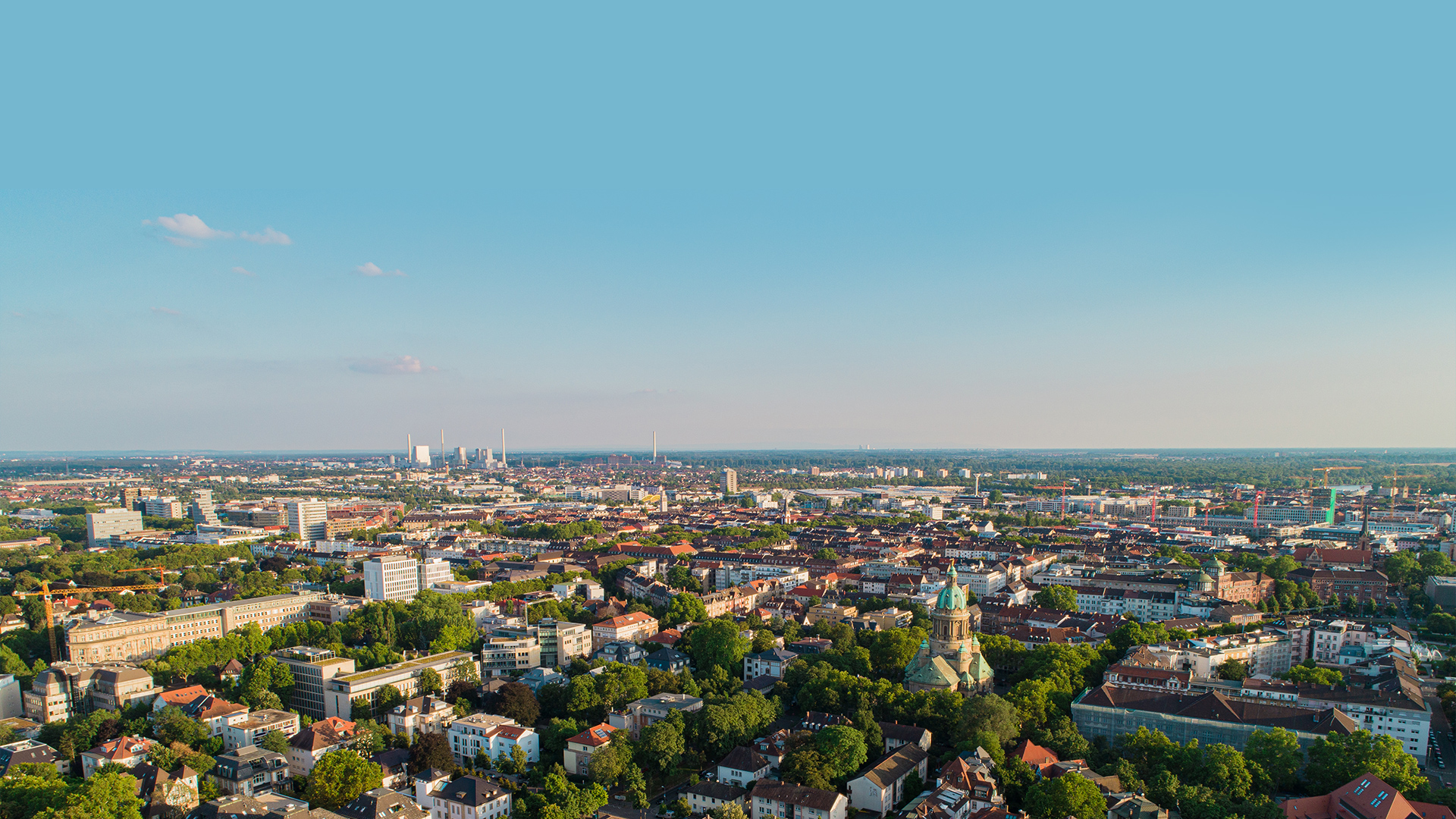
Future phase Natürlich Kurpfalz
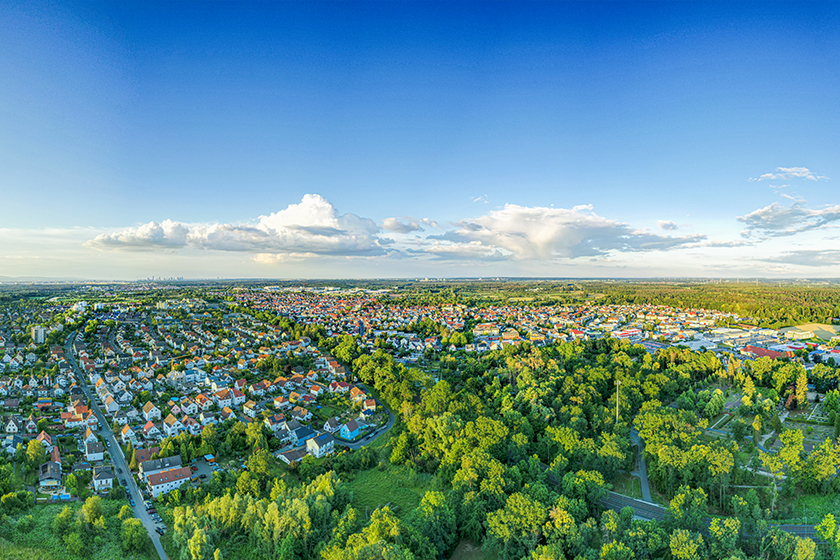
Future phase Natürlich Hessen
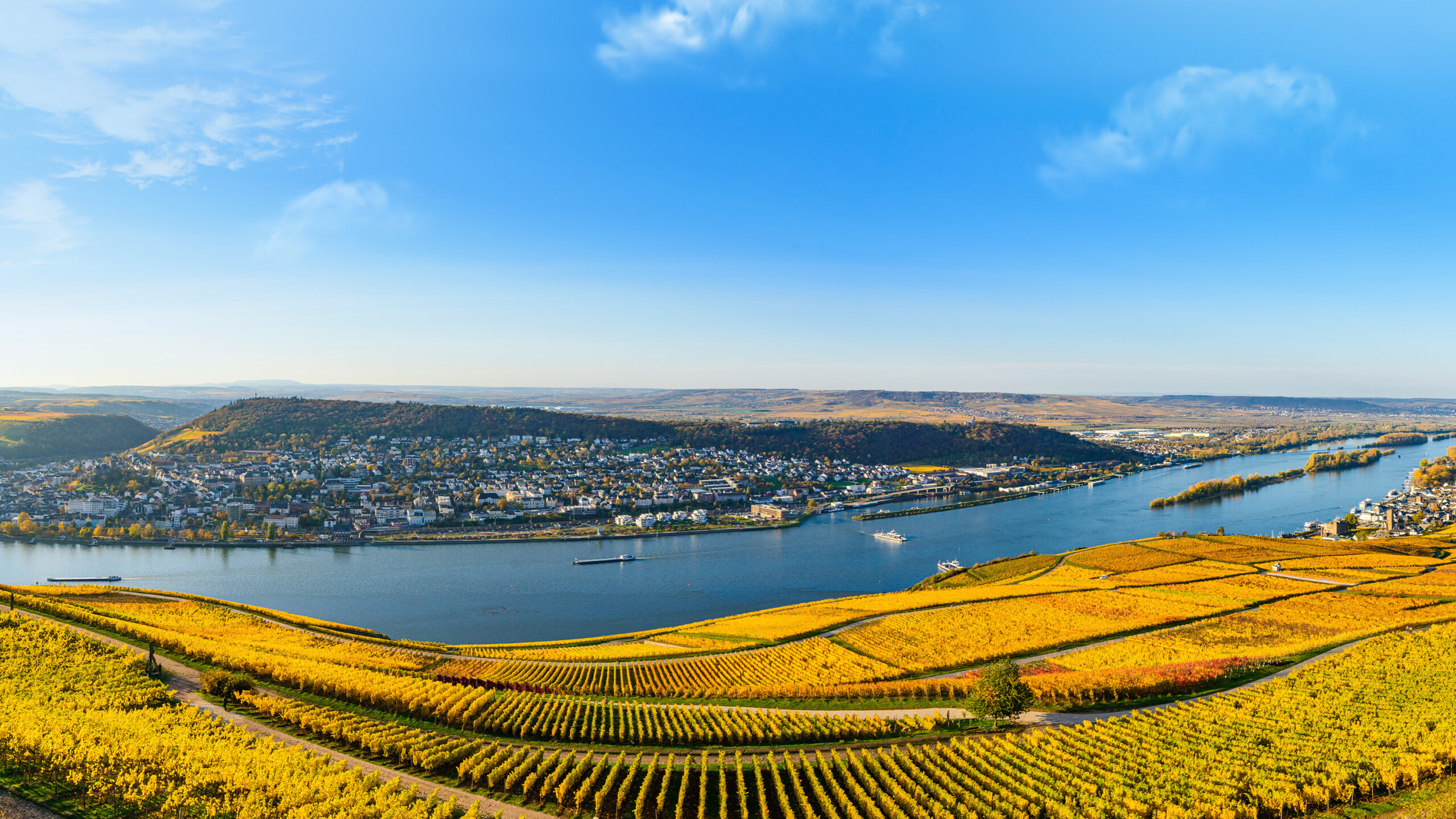
Future phase Natürlich Ortenau
Mannheim
Vulcan is progressing a Scoping Study for the Mannheim licence which is located 40 km to the northeast of Lionheart.
The Scoping Study will look to add further production in addition to the Lionheartintegrated lithium and geothermal renewable energy development including expansion of the downstream LHM facility in Industrie-Park Höchst.
It is envisaged Vulcan will deliver baseload geothermal heat from the Mannheim region geothermal resource to the district heating network of MVV Energie AG, one of Germany’s leading energy companies, while simultaneously extracting sustainable lithium for EV battery production.
Ludwigshafen
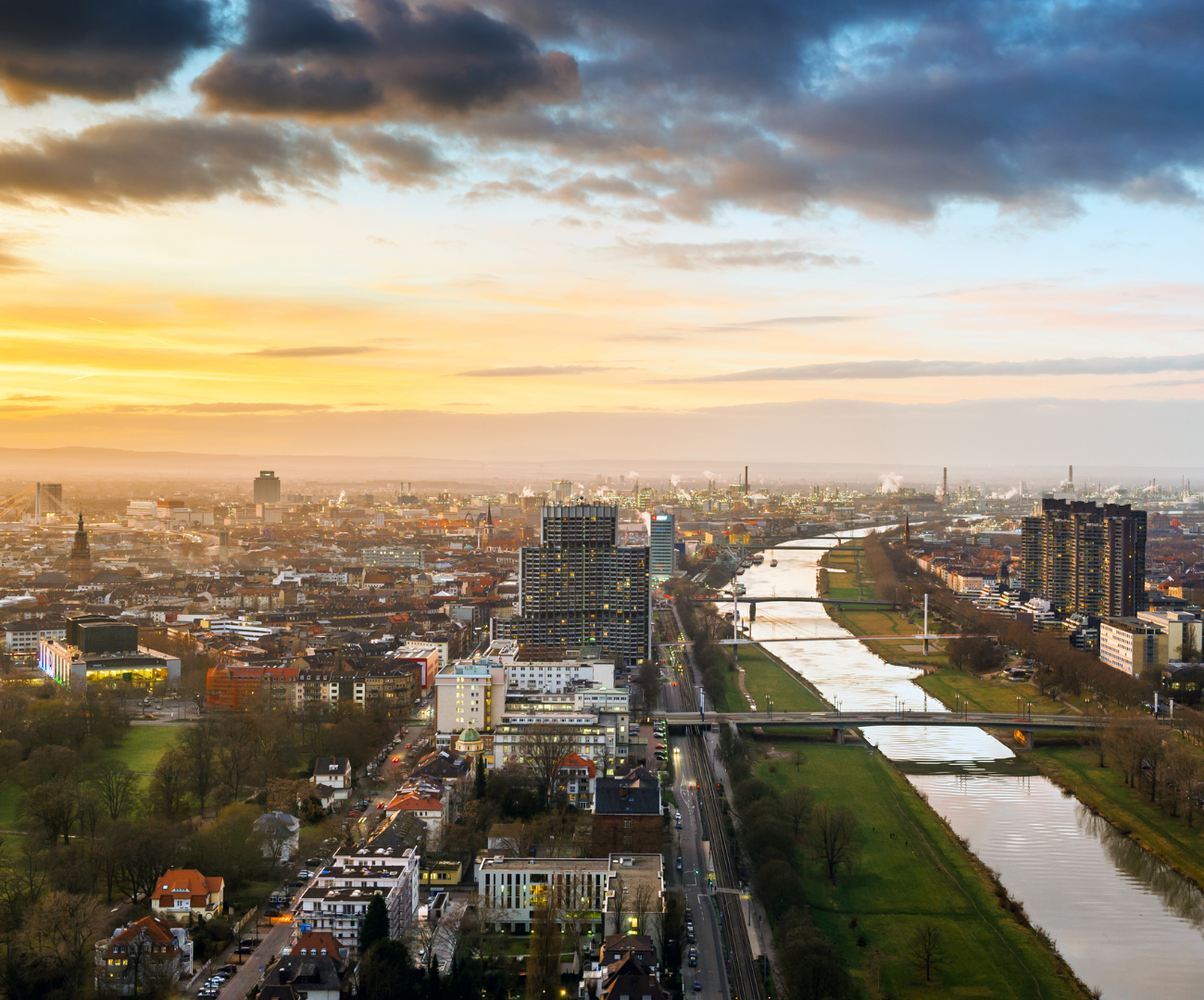
Vulcan successfully completed a 2D seismic survey for the geothermal heat development project in the Ludwigshafen region of Germany, which the Company is undertaking in partnership with BASF, one of the world’s largest chemicals producers.
The survey was conducted on approximately 75 km of roadway within Vorderpfalz, a region on the western border of Germany’s URVBF, including the towns and municipalities of Bad Dürkheim, Deidesheim, Mutterstadt, Frankenthal and Ludwigshafen, with the results of the survey to determine the optimal location/s for the next stage of development and will be followed by a 3D seismic survey.
“That’s what really gives us and our project the advantage. It’s not just the sustainability, it’s the low cost, it’s the fact that we’ve onshored the supply chain. So the security part of it is that you can’t take it away from Europe – it’s in Europe.”