Lithium
We are aiming to become Europe’s leading integrated geothermal-sourced lithium business while enabling energy security through geothermal energy.
Competitive advantage
Vulcan Energy uses a simplified two-stage process to convert lithium-rich brine into a battery-quality product. This commercially leading, Adsorption-type lithium production is powered by renewable heat, with renewable energy supplied directly to the grid and lithium delivered straight to offtake partners.
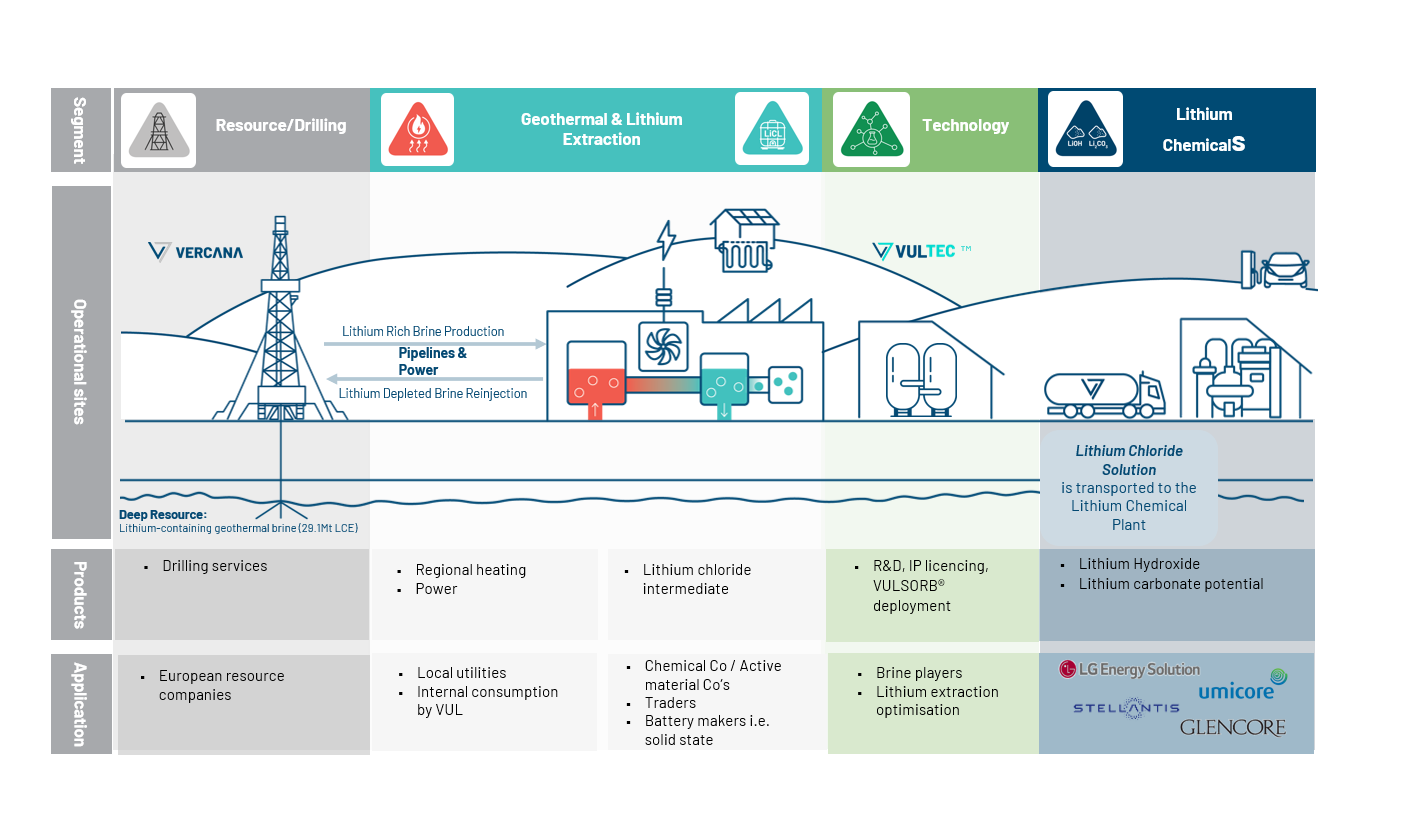
- Components: Well sites, Interconnected Pipeline and
Power (ICPP) - Process: drilling
- Outputs: geothermal lithium-rich brine
Vulcan’s in-house drilling team, Vercana, drills geothermal wells, with electric drill rigs powered by the local grid, with the geothermal brine transported through the ICPP.
- Components: Geothermal & Lithium Extraction Plant (G-LEP) geothermal power plant & ICCP
- Inputs: hot industrial water transported via ICPP
- Outputs: both geothermal energy and heat
Hot industrial water is transferred to the geothermal power plant, where geothermal power and heat are produced and transferred to the electricity grid and district heating networks.
- Components: G-LEP, ICPP
- Inputs: brine transported from well sites via ICPP to G-LEP
- Outputs: Lithium chloride
- Process: A-DLE , VULSORB®
After being transported to Vulcan’s G-LEP via the ICPP, lithium chloride is produced from the geothermal brine using VULSORB® and natural waste heat from the brine.
- Components: Central Lithium Plant (CLP)
- Inputs: Lithium chloride, (geothermal heat to heat brine)
- Outputs: lithium hydroxide monohydrate (LHM)
- Process: electrolysis
The lithium chloride is transferred via trucks to the CLP located at the Höchst Industrial Park where, through electrolysis, it is converted into lithium hydroxide monohydrate (LHM). Finally the LHM is delivered to offtake partners for use in EV batteries.
EV transition
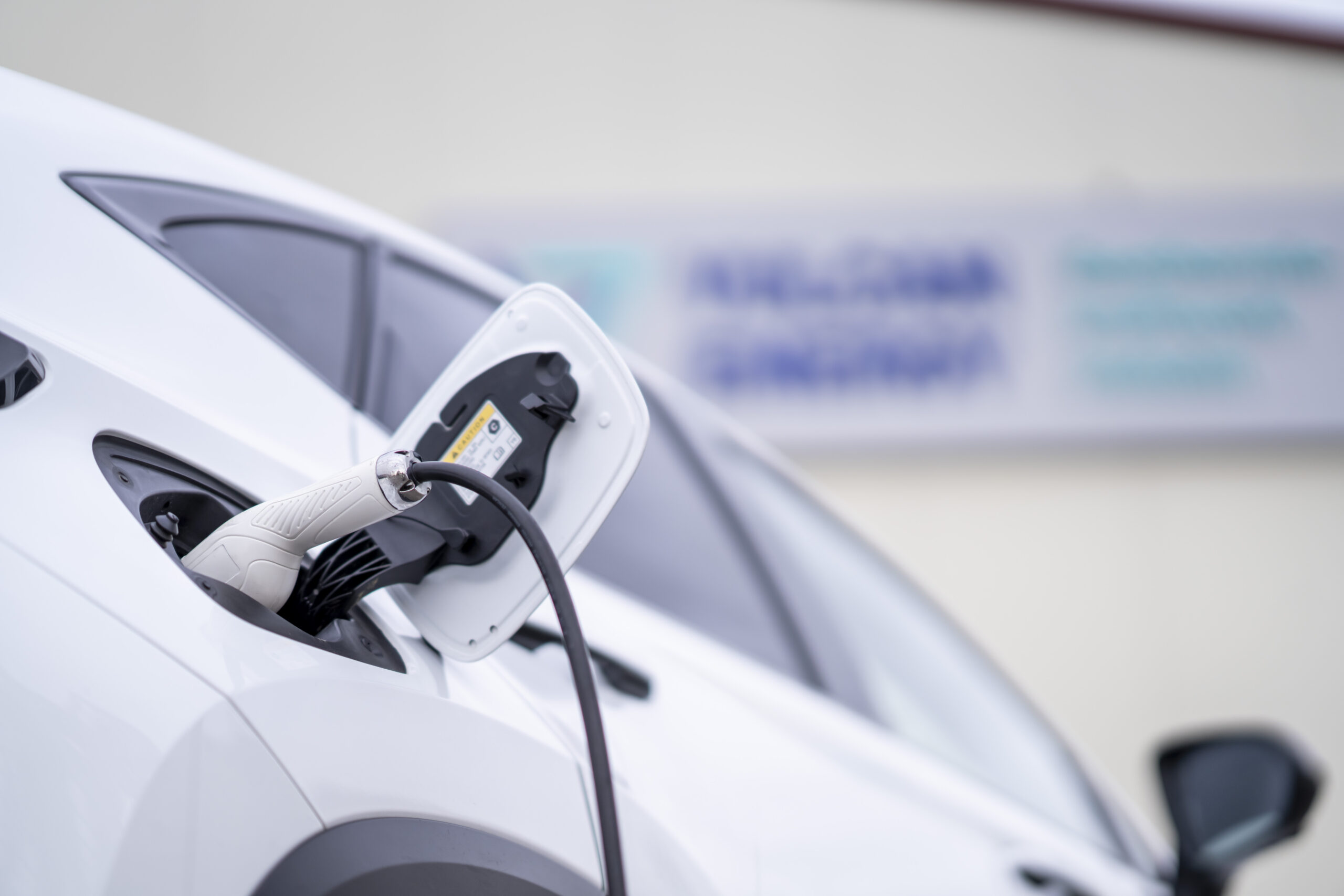
Lithium is a critical metal in electric vehicle batteries, playing a vital role in the transition to sustainable transportation. With the European Union mandating that all new cars be 100% electric by 2035, Europe’s lithium demand for electric vehicles is projected to exceed one million tonnes annually by 2030 — surpassing the size of today’s entire global lithium market. Vulcan aims to be the largest, most sustainable supplier of lithium chemicals and renewable energy from Europe, for Europe, to empower a carbon neutral future.


The role of Lithium
Lithium is a critical raw material, indispensable as a component of batteries for electric transportation. However, to date there is no local integrated supply of lithium hydroxide in Europe to meet demands. Strategically placed in the heart of the European electric vehicle market, we are rapidly advancing out integrated lithium and renewable energy project to target timely market entry, with the ability to expand to meet the unprecedented demand that is building in European markets.
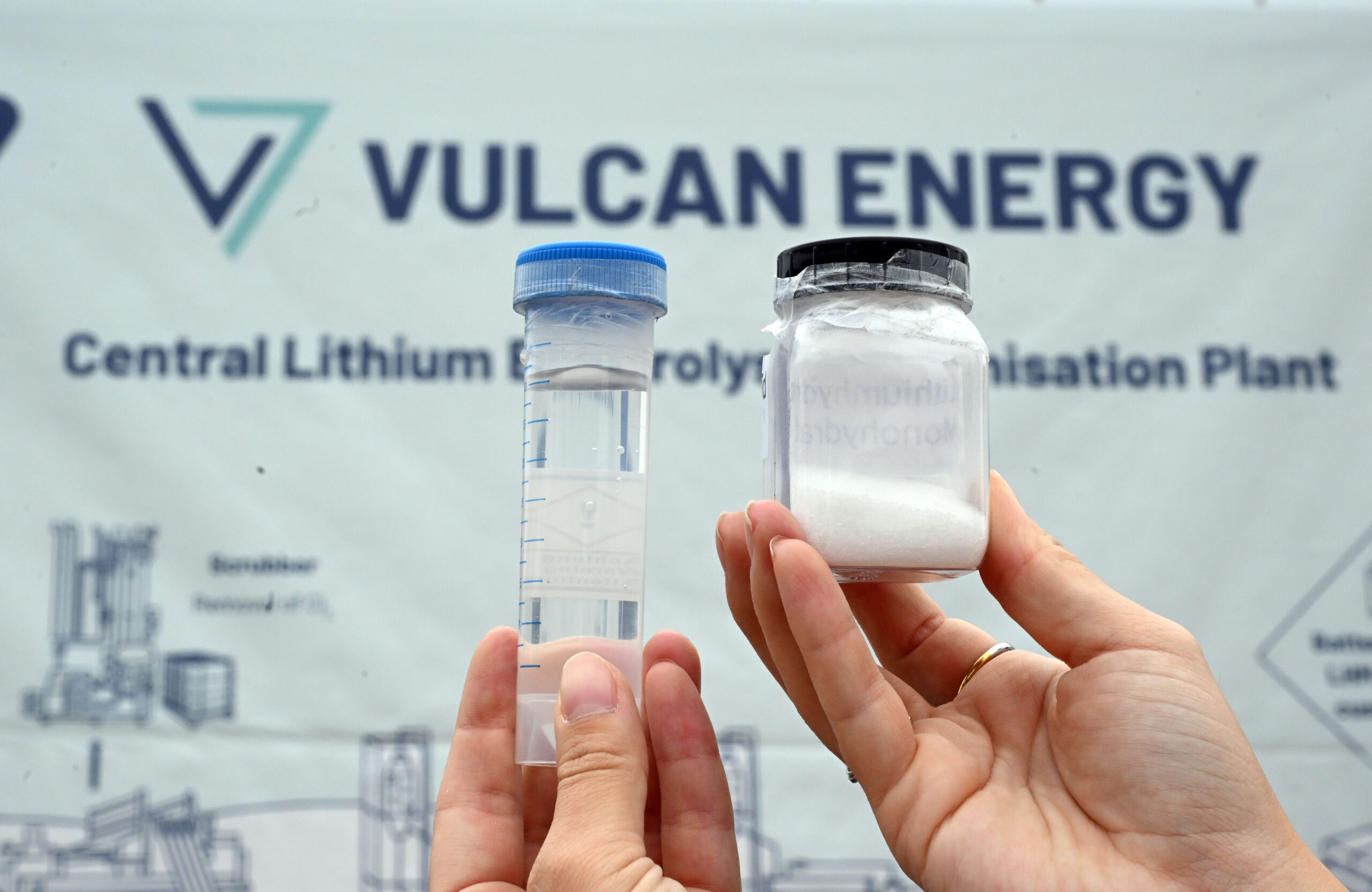
“We are aiming to become Europe’s first producer of domestically produced lithium, and the world’s first producer of sustainable lithium hydroxide for electrical vehicle batteries.”

European focus
Europe’s transportation sector is undergoing a significant transformation, driven by the rapid growth of electric vehicle (EV) sales. From 2035, all new cars and vans registered in the European Union are set to be net zero emission.
This shift towards carbon neutral mobility is accelerating the expansion of Europe’s lithium-ion battery production capacity, with direct implications on the demand for lithium:
- As 2035 approaches, Europe’s need for lithium hydroxide will increase to meet the demand from Europe’s automakers.
- Zero local supply of lithium hydroxide: ~80% reliant on China.
- The current lithium supply is CO2-intensive but western automakers want and need low carbon sources. Vulcan’s integrated lithium and renewable energy project is aiming to reduce this heavy reliance on China for the supply of battery-quality lithium compound.
Europe is one of the fastest growing electric vehicle manufacturing markets in the world. It is exponentially increasing its domestic lithium-ion battery production capacity to meet this demand, making it also the fastest growing lithium market in the world. Predictions indicate Europe will need more than double the global amount produced today.
Strategically placed in the heart of the European electric vehicle market also gives Vulcan significant sustainable advantages:
- The European Commission has called for all electric vehicles to have a certificate indicating the total greenhouse gas emissions the vehicle produces.
- The European Commission requires ‘CO2 Passports’ for all electric vehicles, detailing their full CO2 impact whereby European automakers are placing greater emphasis on creating a sustainable supply chain for their cars.
- The current lithium supply chain does not cater for low carbon production processes. Lionheart fills these gaps in the market and enables Vulcan to make a significant contribution to Europe’s target of reaching net zero emissions by 2050.